


© 2024 Kapua Tours all rights reserved | Developed by Hotelboost

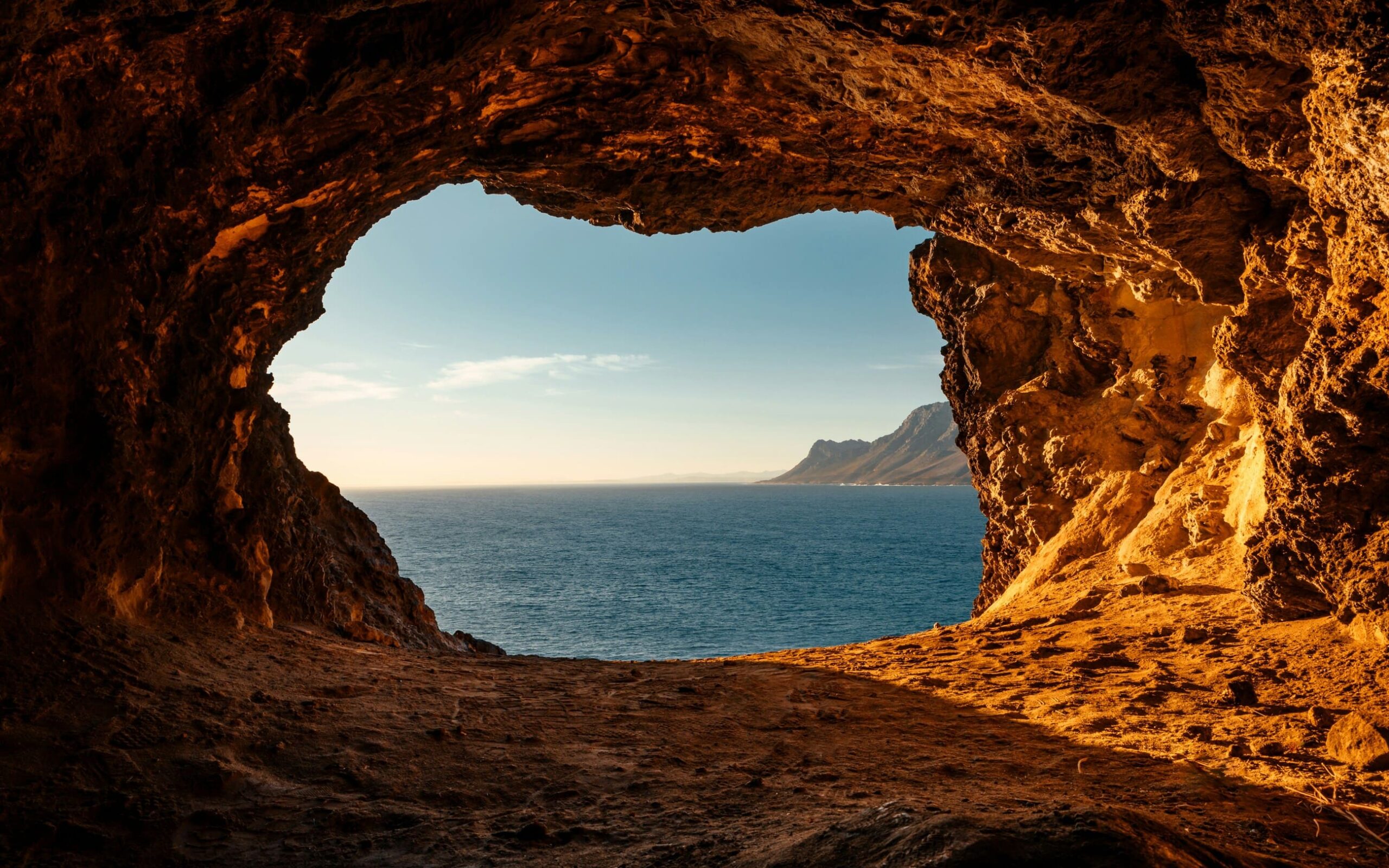
A glimpse into the subway world of Rapa Nui
The caves of Rapa Nui form the most extensive volcanic cave system in Chile and one of the largest in the world. These fascinating subway formations reveal a world full of history and natural beauty, offering a unique perspective of the geological and cultural heritage of Rapa Nui.
Subway exploration: Rapa Nui Caves
In recent years, the caves of Easter Island have captured the attention of scientists from around the world. Researchers from the United States, Poland and Spain have conducted studies to map, photograph and better understand the island’s geological and human history. With more than 7 km of subway galleries, this cave system is the largest in Chile and one of the largest in the world.
The Rapa Nui family of Lazaro Pakarati has played a crucial role in this revival of interest in caves, inventorying more than 800 caves, although it is estimated that there are more than a thousand on the island. This detailed record is vital for the study and conservation of this subway heritage.
Geological origin of the Rapa Nui Caves
Easter Island’s caves were formed due to volcanic eruptions that occurred thousands of years ago. The temperature differences between the outer and inner layers of the lava flows and the large bubbles of gases emitted created large cavities and long corridors in the form of tubes. The high porosity of the terrain allows rainwater to seep into the interior, forming subway deposits and contributing to the aridity of the surface.
Types of caves in Easter Island
Karava Caves
These shallow caves, with wide openings, were used as temporary shelters, especially by fishermen, and are found mainly on the coast. Examples of these caves can be seen at Ahu Akahanga and Ovahe Beach.
Cuevas Housing
Larger caves, such as Ana o Tai at Ahu Tahai and Ana Havea near Ahu Tongariki, served as dwellings. Evidence such as stone ovens (umu pae) and oral traditions support this use.
Cuevas Vivero
In the Roiho area, some caves such as Ana Te Pahu were used as natural nurseries due to roof collapses that allowed light and rain to enter, creating ideal conditions for growing plants.
Refugio Caves
Known as Ana Kionga, these caves were used as shelters during tribal wars and sometimes as cells for prisoners. They were fortified with stone walls and located in inaccessible places or camouflaged to go unnoticed.
History, legends and secrets
Since the arrival of King Hotu Matu’a, caves have played a crucial role in the history of Rapa Nui. They have been used as dwellings, greenhouses, water reservoirs, shelters during wars, classrooms, sanctuaries, healing and birthing places. Even today, caves are used for weekend getaways, picnics, weather protection and romantic encounters.
Places of life and death
The caves were also burial sites, where human remains were found along with personal utensils. There is a belief on the island that the spirits of the ancestors, called aku aku or varua, inhabit the caves. Out of respect, permission is requested from these spirits before entering, to avoid bad luck.
Legends and hidden treasures
The caves are the scene of numerous legends and myths, such as the creation of the Rapa Nui fishhook, the cave of the virgins Ana or Keke, and Ana Kai Tangata, related to the cult of Tangata Manu and possible cases of cannibalism. Many caves contained hidden treasures, known only to a family member who passed on the secret on his deathbed.
Tips for Visiting Easter Island Caves
To explore the caves, it is recommended to carry a flashlight or headlamp to keep your hands free. It is important to wear sports shoes with thick soles due to the humidity and slipperiness of the terrain. People with claustrophobia, reduced mobility or older people should avoid some caves due to the narrow spaces and difficulty of access.
Better in company
It is essential not to explore the caves alone, always accompanied, because in case of accident you can ask for help. Some caves are real labyrinths and it is easy to get lost. It is recommended to hire a tour with specialized guides that guarantee safety and knowledge of the terrain.
Main caves of Rapa Nui
Ana Kai Tangata
Located south of Hanga Roa, this cave is accessible and one of the most interesting on the island. It is close to the airport and offers a fascinating entrance to the subway world of Rapa Nui.
Ana Kakenga
Known as the “cave of the two windows”, it offers spectacular views of the sea from its openings in the cliff.
Ana Te Pora
Located on the northwest coast, it is part of the Roiho cave system and is known for its medium size and proximity to a cliff.
Ana Te Pahu
The largest cavern on the island, located in the foothills of Maunga Terevaka, is a remarkable example of the volcanic tubes that run through the subsoil of Rapa Nui.
Ana or Keke
Known as the cave of the virgins, it is located in the Poike volcano and was formerly used to preserve the purity and whiteness of the skin of young women.
Exploring the caves of Easter Island offers a unique opportunity to discover a world full of history, culture and natural beauty. These subway secrets of Rapa Nui continue to fascinate visitors and scientists alike.
Check our tours and prepare your visit to the island, with native and specialized guides.