


SCIENCE AND THE ENVIRONMENT, HISTORY, MYTHS AND LEGENDS, TOURISM
Although the moais of Rapa Nui are known worldwide, the land that holds them is equally fascinating. Many people know that these statues are located in Rapa Nui, but not everyone knows their exact location or if this territory includes more than one island. We are going to clear these doubts, and for that we will tell you about the motu of Rapa Nui, which are small volcanic islets found around Easter Island.
An immense submarine volcanic chain
Easter Island, one of the many names by which Rapa Nui is known, is a volcanic island whose base is 3,000 meters below sea level, being fifty times larger than the visible surface. This island is part of an extensive submarine volcanic chain that extends from South America to the western Pacific Ocean, including the islands of San Félix, San Ambrosio and Salas y Gómez, all belonging to Chile.
The motu: Small Easter Islands
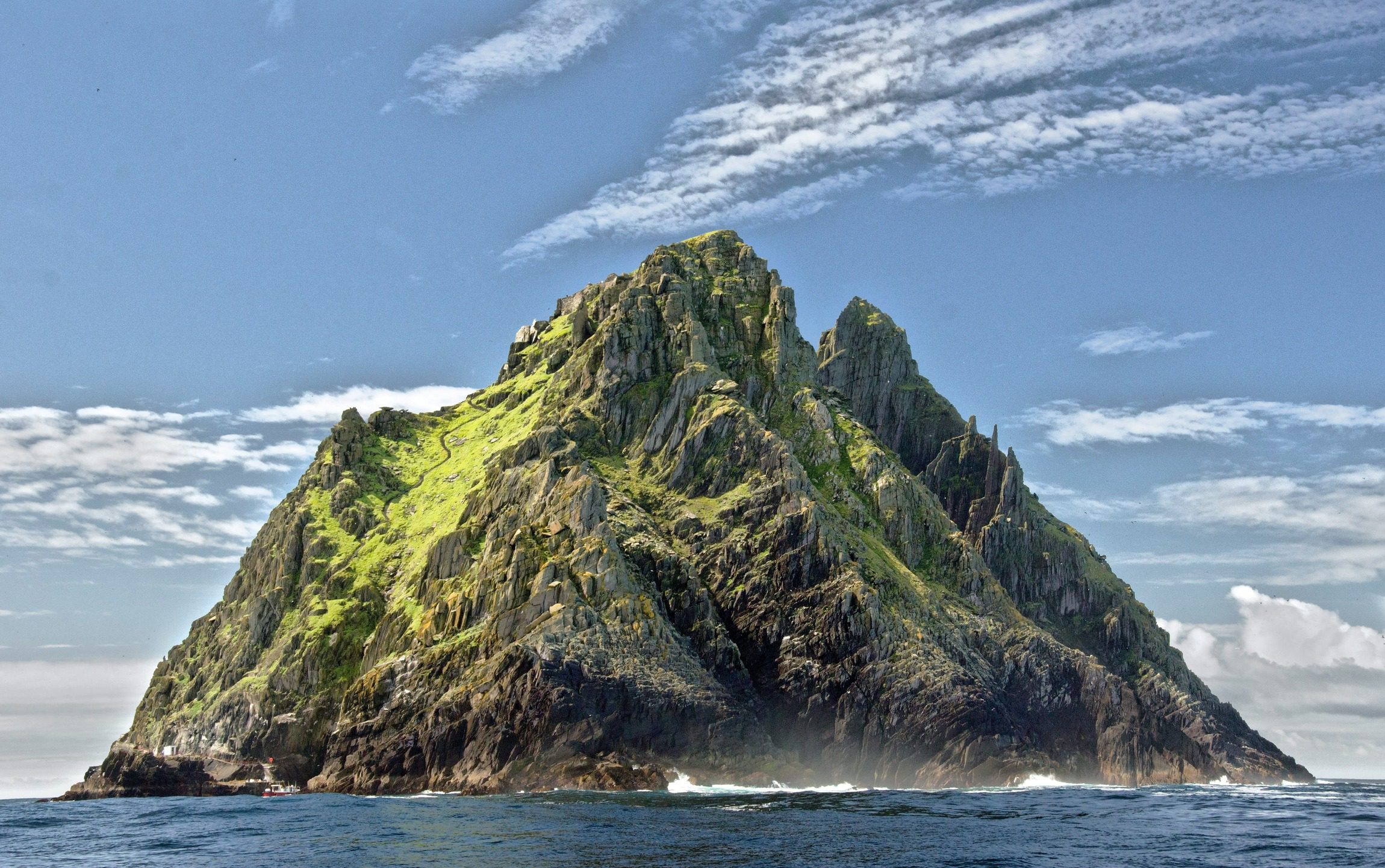
View from Orongo of Motu Kao Kao, Motu Iti and Motu Nui. In addition to the main island, there are several islets known as motus, formed by underwater volcanic activity. These small islets, located southwest of Easter Island in front of the ceremonial village of Orongo, are Motu Nui, Motu Iti and Motu Kao Kao. Although not inhabited by humans due to their small size and difficult access, these motus are home to a rich marine fauna and numerous birds.
Motu Kao Kao
Close-up of Motu Kao Kao with Motu Iti in the background. The smallest and closest to the coast, Motu Kao Kao, is located 670 meters from the cliff of Rano Kau. This islet, which looks more like an elongated rock than an island, rises 20 meters above sea level and its seabed is 60 meters deep. Its vertical walls make it ideal for climbing enthusiasts.
Motu Iti
Motu Iti, which means “small island” in Rapa Nui, is the second largest islet with an area of 1.6 hectares. Located 394 meters from Motu Kao Kao and one kilometer from Rano Kau, it is a bird sanctuary and biosphere reserve, forming part of the Rapa Nui National Park. Historically, it was a source of obsidian for tools and a place to collect seabird eggs and chicks.
Motu Nui
Motu Nui, the “big island” in Rapa Nui, is the largest of the islets with an area of 3.9 hectares. Located 160 meters west of Motu Iti, it is the westernmost point of the Chilean territory. This islet is famous for being the scene of the Tangata Manu competition, a race to collect the first egg of the manutara, an important seagull in the Rapa Nui culture.
Are you planning a visit to the island? Do not hesitate to contact us to visit Rapa Nui, take tours, and learn with native guides.
Activities at the Motus
Visitors to Rapa Nui can explore these small islets through boat excursions from the port of Hanga Roa. These excursions allow visitors to observe the impressive cliffs and abundant marine life, especially during the spring breeding season.
Diving in the Motus
Diving is one of the most recommended activities in the motus, especially between Motu Nui and Motu Kao Kao. This site is very popular among diving enthusiasts from all over the world due to the clarity of the water and the rich marine biodiversity.
Other Motus of Interest
In addition to the three main motus, there are other islets around the island, such as Motu Tautara and Motu Maratiri. These islets have their own stories and legends, and some were the scene of important historical events.
Exploring Rapa Nui and its motus is an enriching experience that offers a deep insight into the rich history and culture of the island. The activities and natural beauty of these islets perfectly complement the visit to the iconic moais, making each visit an unforgettable adventure.
If this article aroused your curiosity about Rapa Nui, don’t miss our latest news and adventures, follow us on our social networks!